
When wounds don’t heal, advanced care may help

Non-Healing Wound Care Covered by Medicare Part B

✅ Advanced allograft treatment for non-healing wounds

✅ 100% covered by Medicare Part B (if elegible)

✅ Delivered at home or in clinic

✅ Check Your Eligibility Now

Do you have Medicare Part B coverage? *
Has your wound not healed after 4+ weeks of treatment? *
What type of non-healing wound do you have? *

We respect your privacy and comply with HIPAA regulations.

If you or a loved one has a wound that hasn’t healed after 4 weeks of standard treatment,
Medicare Part B may cover innovative allograft treatments.

These advanced grafts are designed to help non-healing wounds close faster and improve quality of life.


If you or a loved one has a wound that hasn’t healed after 4 weeks of standard treatment,
Medicare Part B may cover innovative allograft treatments.
These advanced grafts are designed to help non-healing wounds close faster and improve quality of life.

chronic wound care covered by Medicare Part B

What Are Allografts?
Advanced Treatment for Non-Healing Wounds

An allograft is donated human tissue used to help wounds heal faster. When applied to a non-healing wound, it creates an ideal environment for tissue regeneration.

Medicare Part B covers allografts for three main types of non-healing wounds:

1. Diabetic Foot Ulcers: Diabetic foot ulcers that haven’t healed after 4 weeks of standard care may qualify for allograft treatment. These wounds are common in seniors and can lead to serious complications if left untreated.

2. Venous Leg Ulcers: Venous leg ulcers (caused by poor circulation) that have persisted for 90+ days with documented treatment often respond well to allografts. They’re common in older adults and can take months to heal without advanced care.

3. Pressure Sores & Bed Sores: Pressure ulcers develop from prolonged pressure on the skin. Allografts help promote tissue regeneration and reduce infection risk.

chronic wound care covered by Medicare Part B

What Are Allografts?
Advanced Treatment for Non-Healing Wounds

An allograft is donated human tissue used to help wounds heal faster. When applied to a non-healing wound, it creates an ideal environment for tissue regeneration.

Medicare Part B covers allografts for three main types of non-healing wounds:

1. Diabetic Foot Ulcers: Diabetic foot ulcers that haven’t healed after 4 weeks of standard care may qualify for allograft treatment. These wounds are common in seniors and can lead to serious complications if left untreated.

2. Venous Leg Ulcers: Venous leg ulcers (caused by poor circulation) that have persisted for 90+ days with documented treatment often respond well to allografts. They’re common in older adults and can take months to heal without advanced care.

3. Pressure Sores & Bed Sores: Pressure ulcers develop from prolonged pressure on the skin. Allografts help promote tissue regeneration and reduce infection risk.

Non-Healing Wounds We Treat

If your wound hasn’t healed after standard treatment, advanced allograft therapy may be the solution.
Medicare Part B covers treatment for these three main wound types:
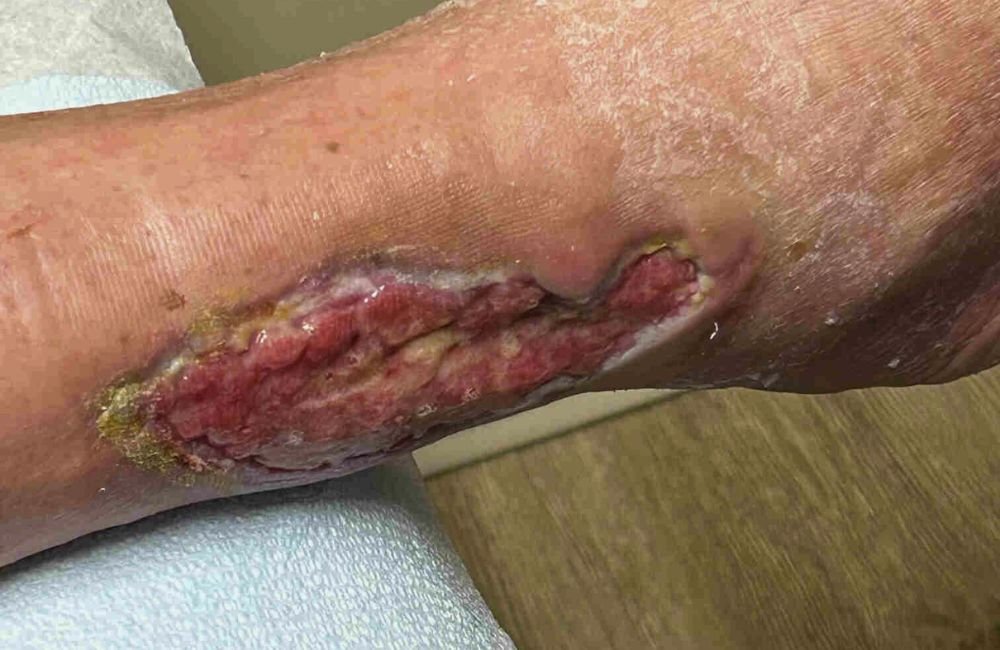
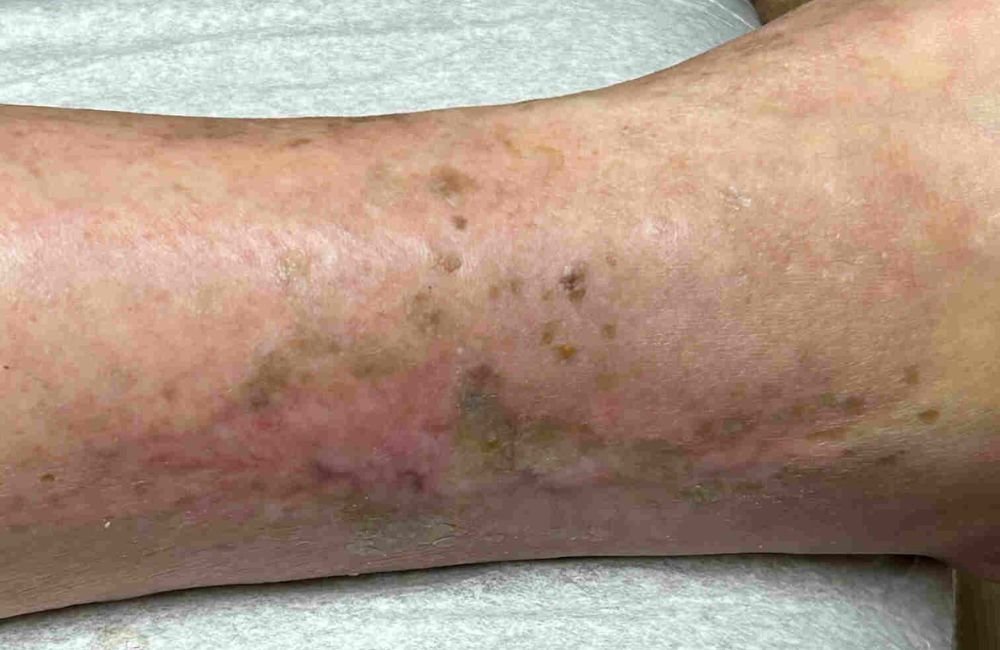
Non-Healing Wounds We Treat

If your wound hasn’t healed after standard treatment, advanced allograft therapy may be the solution.
Medicare Part B covers treatment for these three main wound types:

Real Results with Advanced Wound Care

Many patients with chronic wounds see improvement when advanced wound care materials like allografts are considered medically necessary. Below is an example of a patient who received physician-directed care using advanced wound materials under Medicare Part B guidelines.

**Results vary. All treatment decisions, coverage approvals, and outcomes depend on Medicare Part B rules and individual clinical evaluations.

chronic wound care covered by Medicare Part Bchronic wound care covered by Medicare Part B

Real Results with Advanced Wound Care

Many patients with chronic wounds see improvement when advanced wound care materials like allografts are considered medically necessary. Below is an example of a patient who received physician-directed care using advanced wound materials under Medicare Part B guidelines.

**Results vary. All treatment decisions, coverage approvals, and outcomes depend on Medicare Part B rules and individual clinical evaluations.

How Our Service Works

Our process is designed to make it simple and stress-free. From initial eligibility check to treatment, we guide you every step of the way.

Step 1: Free Eligibility Review (1–2 minutes)
Complete our short eligibility form with basic information about your wound and Medicare status. No medical knowledge is required.

Step 2: We Contact You (Within 24 hours)
A team member will contact you to learn more about your wound, answer your questions, and review your Medicare Part B information.

Step 3: Physician Evaluation (Home or Clinic)
A licensed physician evaluates your wound, reviews your medical history, and determines whether advanced graft treatment may be appropriate under Medicare guidelines.

Step 4: Medicare Submission
If the physician recommends treatment, the case may be submitted to Medicare for coverage review according to program requirements.

Step 5: Treatment Plan
If approved, treatment may be provided at home or in a clinic depending on your medical needs and provider availability.

Step 6: Follow-Up Care
Your provider monitors progress and determines whether additional visits or treatments may be needed.

How Our Service Works

Our process is designed to make it simple and stress-free. From initial eligibility check to treatment, we guide you every step of the way.

Step 1: Free Eligibility Review (1–2 minutes)
Complete our short eligibility form with basic information about your wound and Medicare status. No medical knowledge is required.

Step 2: We Contact You (Within 24 hours)
A team member will contact you to learn more about your wound, answer your questions, and review your Medicare Part B information.

Step 3: Physician Evaluation (Home or Clinic)
A licensed physician evaluates your wound, reviews your medical history, and determines whether advanced graft treatment may be appropriate under Medicare guidelines.

Step 4: Medicare Submission
If the physician recommends treatment, the case may be submitted to Medicare for coverage review according to program requirements.

Step 5: Treatment Plan
If approved, treatment may be provided at home or in a clinic depending on your medical needs and provider availability.

Step 6: Follow-Up Care
Your provider monitors progress and determines whether additional visits or treatments may be needed.

FAQ (Frequently Asked Questions)

An allograft is donated human tissue that creates an ideal environment for wound healing. When applied to a non-healing wound, it promotes tissue regeneration, reduces infection risk, and accelerates the healing process compared to standard wound care.

Medicare Part B may cover treatment for:

• Diabetic foot ulcers (not healing after 4 weeks of standard care)
• Venous leg ulcers (not healing after 90 days of documented treatment)
• Pressure sores/bed sores (from prolonged pressure)

Yes. Medicare Part B may cover chronic wound care provided at home when a doctor confirms that home treatment is medically necessary and your condition meets Medicare’s requirements.

Complete our free eligibility form above. A specialist will contact you within 24 hours to review your wound and Medicare status. There’s no obligation.

You must have Medicare Part B coverage and a non-healing wound that meets Medicare’s criteria (typically wounds not responding to standard care for 4+ weeks).

A quick review by a qualified doctor can determine whether your situation aligns with Medicare’s guidelines for covered wound care. The review process is simple and does not require a full medical file upfront.

Medicare Part B may cover allografts when they are considered medically necessary for certain non-healing wounds. Coverage depends on the type of wound and the doctor’s evaluation.

Yes. A licensed doctor can provide wound care in your home if your condition qualifies for home-based treatment. This service is available when it is medically appropriate and aligns with Medicare’s guidelines.

Medicare Part B may include deductibles or coinsurance, but many patients have little or no out-of-pocket costs depending on their Medicare plan. A doctor’s evaluation can help you understand what applies to your situation.